
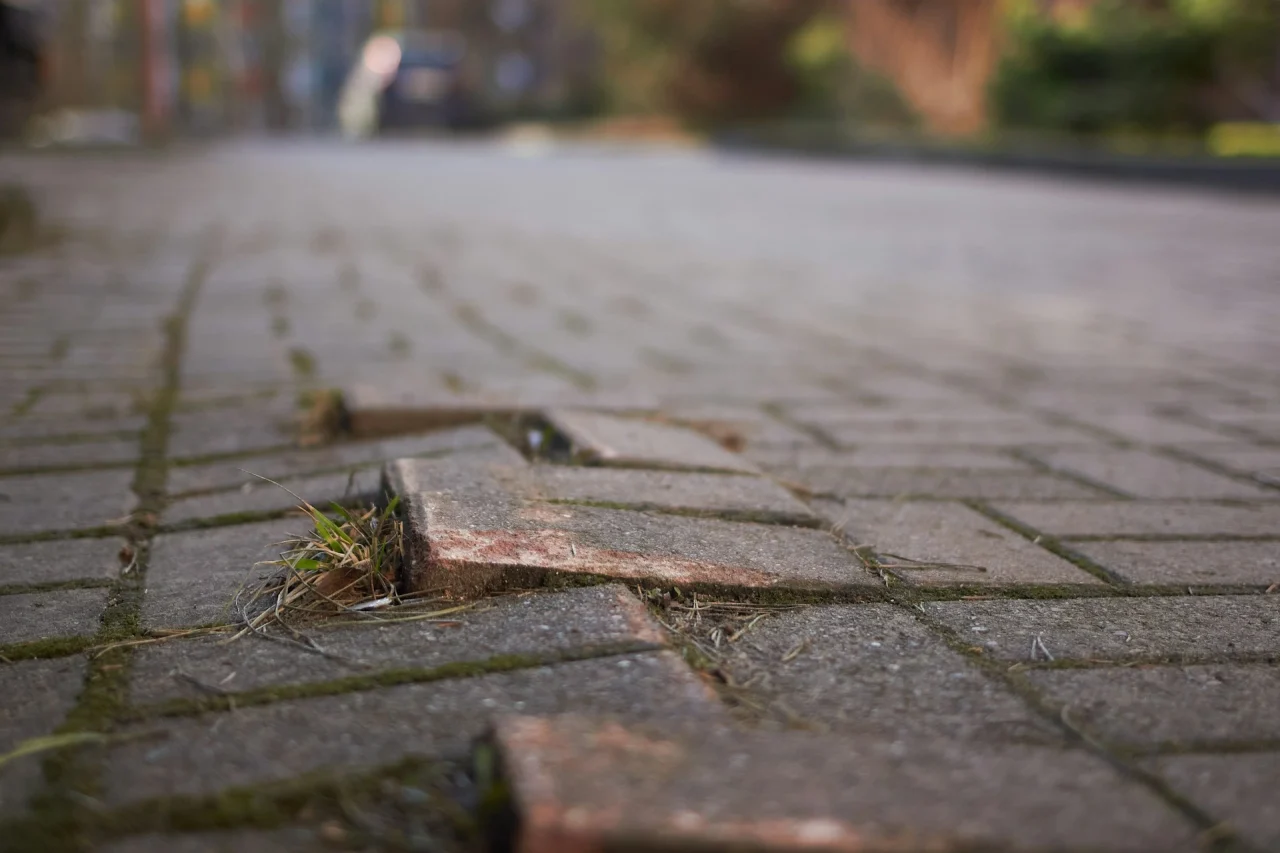
And How to Avoid Costly Repairs
Industrial paving is designed to handle heavy loads, constant traffic, and long-term wear. Yet many industrial surfaces begin to fail far sooner than expected—leading to costly repairs, operational disruptions, and safety risks.
So why does industrial paving fail? The answer usually comes down to one thing: poor groundwork and incorrect installation practices.
The Most Common Causes of Industrial Paving Failure
1. Inadequate Base Preparation
The strength of any paving system starts below the surface. If the base layer is not properly compacted or designed for the expected load, the paving will shift, sink, or crack over time.
Without a solid foundation, even the highest quality paving materials will fail.
2. Poor Drainage Design
Water is one of the biggest threats to paving durability. If water is allowed to pool or seep into the base layers, it weakens the structure and leads to movement and erosion.
Proper drainage—including correct slopes and stormwater management—is essential for long-term performance.
3. Incorrect Material Selection
Not all paving blocks are suitable for industrial use. Using materials that are too thin or not designed for heavy loads can result in premature wear and structural failure.
Industrial paving typically requires heavy-duty, load-bearing pavers that can withstand constant pressure from vehicles and machinery.
4. Insufficient Compaction
Compaction plays a critical role in stabilising both the subgrade and base layers. If compaction is not done correctly, air gaps and weak points remain—leading to movement and eventual failure.
This is especially important in high-traffic industrial environments.
5. Lack of Professional Installation
Industrial paving is not just about laying bricks—it requires engineering knowledge, proper planning, and experienced workmanship.
Shortcuts during installation often lead to long-term problems that are far more expensive to fix than to do correctly the first time.
How to Prevent Industrial Paving Failure
The key to long-lasting industrial paving lies in proper planning, engineering, and execution. This includes:
- Thorough site assessment and soil analysis
- Correct base design and material selection
- Professional compaction and installation
- Effective drainage solutions
- Use of high-quality, load-bearing paving materials
When these elements are done correctly, industrial paving can last for decades with minimal maintenance.
Why Choosing the Right Contractor Matters
At Excel Pave, we approach every industrial paving project with a focus on long-term durability and performance. With decades of experience and a hands-on approach, we ensure that every layer—from the ground up—is built to handle demanding conditions.
Final Thoughts
Industrial paving failures are rarely caused by the surface itself—they are usually the result of what lies beneath. Investing in proper groundwork and experienced installation not only prevents costly repairs but also ensures a safer, more reliable surface for years to come.
Avoid Costly Paving Failures
Planning an industrial paving project? Make sure it’s done right from the ground up with expert installation and proven methods.
Leave a Reply